
No products in the cart.
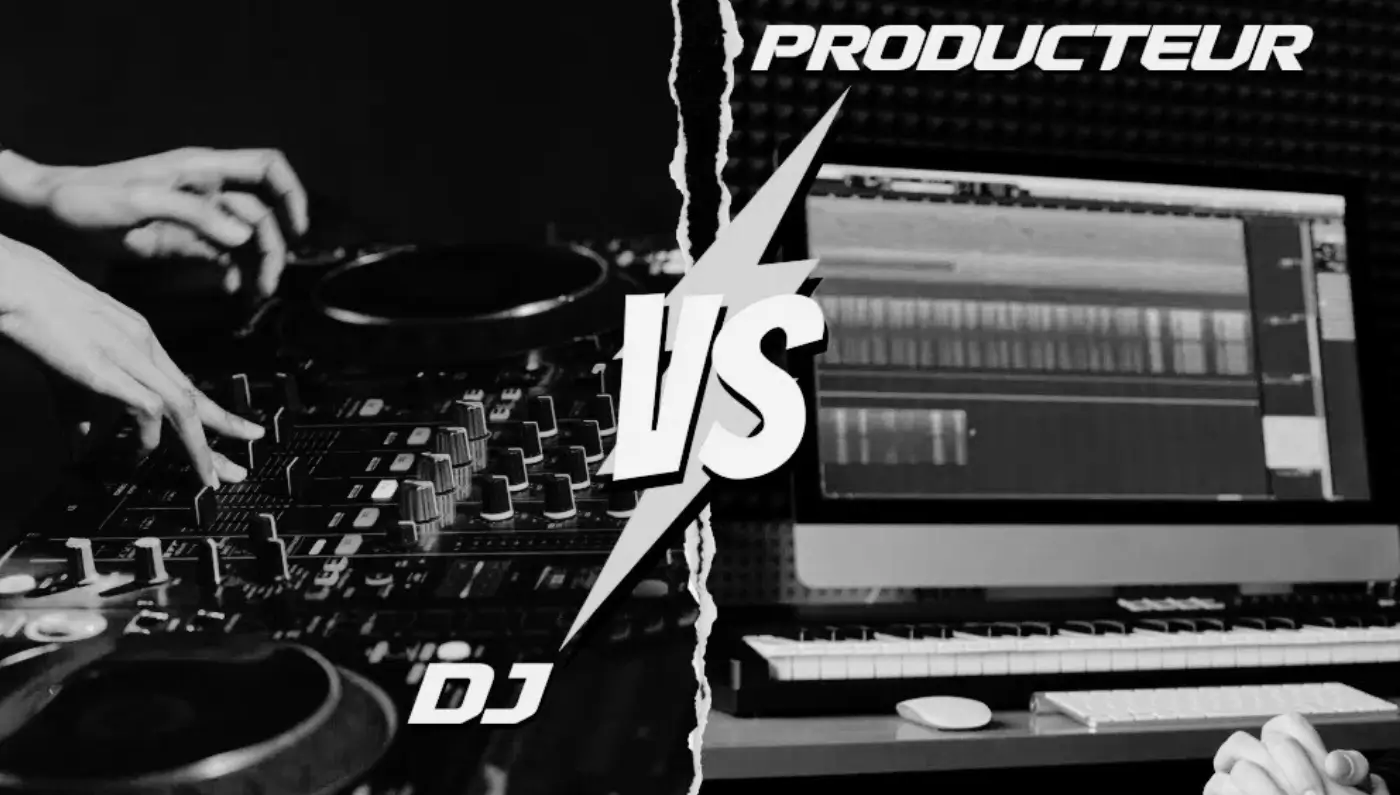
Music Production vs. DJing: What’s the Difference (and Which One Is Right for You)?
There’s something magical about watching a DJ work. The lights flicker, the crowd pulses with energy, and a single person behind the decks controls the vibe of the entire room. But what is DJing, really? And what makes a great DJ more than just someone who presses play?
Let’s dive into the craft, culture, and creativity that make DJing one of the most exciting art forms in modern music.
What Is Music Production?
Music production is the process of creating music from scratch. Producers are the architects of sound — they compose melodies, design synths, program drums, and mix everything into a polished track.
A producer might work entirely on a laptop using a DAW (Digital Audio Workstation) like Ableton Live, FL Studio, or Logic Pro, crafting songs that can be streamed, licensed, or performed live.
Core skills of a music producer include:
Songwriting and composition
Beat-making and sound design
Recording and editing vocals or instruments
Mixing and mastering
Arranging tracks for flow and emotion
In short: Producers create the music DJs play.
What Is DJing?
DJing is the art of playing and mixing music for an audience. DJs are performers — they read the crowd, choose the right songs, and mix them in real-time to keep the energy flowing.
A DJ doesn’t necessarily make their own music (though many do). Instead, they curate and blend tracks — sometimes using effects, loops, or samples — to create a continuous, live experience.
Core skills of a DJ include:
Beatmatching and mixing
Cueing and track selection
EQing and using effects
Reading and engaging the crowd
Building energy and storytelling through sets
In short: DJs perform music that producers create.
The Key Differences
| Aspect | Music Production | DJing |
|---|
| Main Goal | Create original music | Perform and mix music live |
| Tools Used | DAW (Ableton, FL Studio, Logic) | DJ Controller, Mixer, Decks |
| Skills Needed | Composition, sound design, mixing | Beatmatching, track selection, crowd reading |
| Environment | Studio or home setup | Clubs, festivals, live events |
| Output | Songs, beats, albums | DJ sets, live mixes |
| Creativity Style | Structured and layered | Spontaneous and responsive |
The Overlap
While they’re different, production and DJing often go hand in hand — especially in electronic music. Many famous artists (like Calvin Harris, Peggy Gou, and David Guetta) do both.
Producers who DJ get to perform their own music live.
DJs who produce can create exclusive remixes and edits for their sets.
Learning both can open up huge creative and professional opportunities.
Which One Should You Start With?
It depends on what excites you most:
Choose Music Production if you love creating — experimenting with sounds, writing melodies, and crafting tracks from scratch.
Choose DJing if you love performing — reading the crowd, controlling the vibe, and feeling the energy of a live audience.
Of course, many people start with one and naturally grow into the other. A DJ might start editing tracks to fit their sets better; a producer might want to share their songs live.
The Takeaway
Both music production and DJing are forms of musical expression, just from different angles.
Producers are storytellers in the studio.
DJs are storytellers on the stage.
Whichever path you take, remember: it’s all about sharing your love of music and connecting with people through sound.


