No products in the cart.

The Art of DJing: More Than Just Playing Songs
There’s something magical about watching a DJ work. The lights flicker, the crowd pulses with energy, and a single person behind the decks controls the vibe of the entire room. But what is DJing, really? And what makes a great DJ more than just someone who presses play?
Let’s dive into the craft, culture, and creativity that make DJing one of the most exciting art forms in modern music.
What DJing Actually Is
At its core, DJing (short for “disc jockeying”) is the art of selecting, blending, and manipulating recorded music to create a continuous, dynamic sound experience. DJs don’t just play tracks—they curate moods, shape moments, and guide audiences through emotional highs and lows.
Modern DJs work with all kinds of setups:
Vinyl turntables for that classic analog feel
CDJs for precision and reliability
Digital controllers and software (like Serato, Traktor, or Rekordbox) for flexibility and creativity
But no matter the gear, the goal stays the same: to connect people through sound.
A DJ doesn’t just play tracks — they play moments
The Skills Behind the Decks
DJing is equal parts technical skill and artistic intuition. Great DJs master techniques like:
Beatmatching: syncing tempos of two tracks so they blend smoothly
EQing: adjusting bass, mids, and highs to make transitions seamless
Cueing: preparing the next track in headphones before the crowd hears it
Looping and effects: adding creative layers, textures, and surprises
Beyond the technical, DJs develop a feel for reading the crowd—knowing exactly when to drop that perfect track that makes everyone lose it.
The Creative Side of DJing
A DJ isn’t just a performer—they’re a storyteller. Every set tells a story through sound: tension, release, nostalgia, energy. Some DJs mix across genres to keep things unpredictable; others dive deep into one sound to create a hypnotic flow.
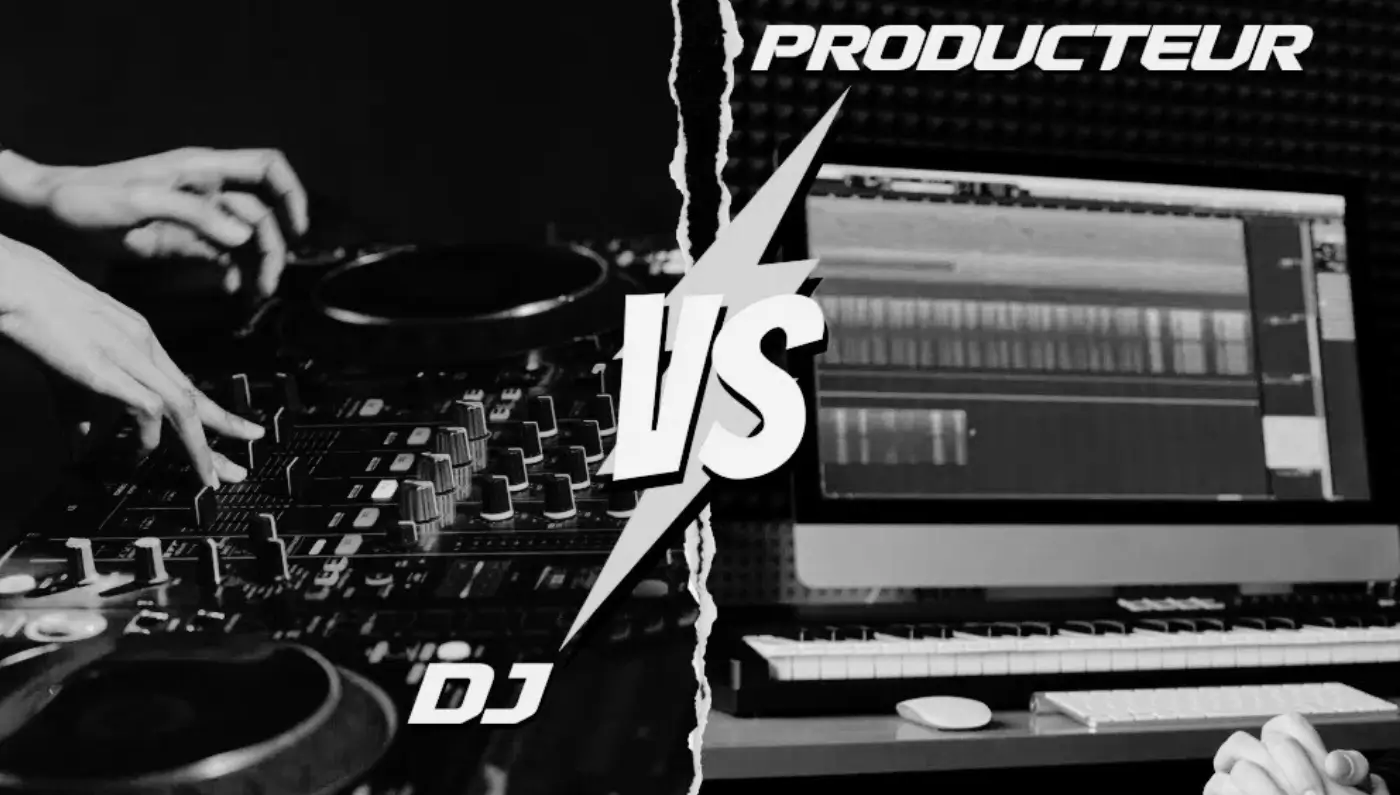
Many DJs also become producers, crafting their own edits, remixes, and original tracks to give their sets a unique signature. In today’s music scene, the line between DJ and artist is blurrier (and more exciting) than ever.
DJing is choreography for sound
The Culture of DJing
From the underground clubs of Chicago and Berlin to massive festivals like Tomorrowland and Coachella, DJ culture has shaped global music. It’s a blend of technology, fashion, and community—a space where creativity thrives.
Genres like hip-hop, house, techno, drum and bass, and EDM all owe their evolution to pioneering DJs who pushed boundaries. The DJ booth has always been a place of experimentation and connection.
Getting Started as a DJ
If you’re thinking about learning, the best advice is: just start.
You don’t need expensive gear to practice—many great DJs began with a basic controller and a passion for music.
Here’s a quick roadmap:
Build your library – collect tracks that move you.
Learn your gear – understand your decks, mixer, and software.
Practice transitions – smooth mixing is the foundation.
Record your sets – listen back and refine.
Share your sound – upload mixes to platforms like Mixcloud or SoundCloud, and play local gigs when you can.
Why DJing Matters
DJing is about connection. It’s about creating shared experiences, breaking down barriers, and expressing yourself through rhythm and sound. Whether it’s an intimate lounge or a packed festival, DJs remind us that music isn’t just something we listen to—it’s something we feel together.
Final Thought
The art of DJing continues to evolve, blending tradition with innovation. But one thing never changes: the power of music to move people. And the DJ? They’re the conductor of that energy—one beat at a time.